

journal Of Advanced Research

About the Journal

 The International Journal of Hygiene

Current Issue

Vol. 5 No. 1A (2025): New Findings in the East Mediterranean Region
                    View Vol. 5 No. 1A (2025): New Findings in the East Mediterranean Region

``

Vol. 5 No. 1A (2025): New Findings in the East Mediterranean Region

This special issue of the International Journal of Hygiene and Environmental Health presents a focused scientific collection on emerging public health, epidemiological, environmental, clinical, and health-system priorities relevant to the East Mediterranean Region and the wider global health community.

Issue Vision

The issue was developed to highlight new findings, evidence syntheses, and applied public health perspectives that connect regional health challenges with international scientific priorities. The East Mediterranean Region continues to face complex pressures, including infectious disease threats, antimicrobial resistance, climate-sensitive diseases, vaccine confidence challenges, chronic disease burden, digital health transformation, and gaps in preparedness systems. This issue brings these themes together through carefully selected manuscripts that aim to support decision-making, strengthen research visibility, and encourage evidence-informed health policy.

Collaboration With Global Research Collaboration Teams

This issue reflects the scientific contribution of collaboration teams from Global Research Collaboration, a growing international research network dedicated to supporting high-quality academic writing, evidence synthesis, peer-reviewed publication, and research capacity building. Through structured teamwork, mentorship, topic development, screening, writing, editing, and methodological supervision, Global Research Collaboration supports researchers from multiple countries to contribute to public health knowledge production.

The collaboration model is built on teamwork rather than individual isolation. Researchers work in specialized groups that review existing evidence, identify research gaps, develop review questions, screen large volumes of literature, extract data, and write structured scientific manuscripts. This model helps early-career and senior researchers participate in meaningful scientific production while maintaining standards of academic integrity, transparency, and methodological discipline.

Research Capacity and Evidence Review Scale

Global Research Collaboration currently includes more than 7,000 researchers working across public health, epidemiology, medicine, environmental health, infectious diseases, chronic disease prevention, health systems, and evidence synthesis. Across its collaboration teams and review programs, researchers have collectively reviewed approximately three million studies, records, abstracts, and scientific sources to develop systematic reviews, scoping reviews, narrative reviews, and evidence-based manuscripts.

This large-scale review activity demonstrates the strength of coordinated scientific work. It also reflects the increasing need for organized research teams capable of handling the rapidly expanding scientific literature. By reviewing large bodies of evidence, collaboration teams help transform scattered research findings into accessible, structured, and policy-relevant knowledge.

Scientific Themes Covered in This Issue

The articles in this issue address several urgent and interconnected public health themes. These include antimicrobial stewardship, pharmacy involvement in public health campaigns, digital health and personalized chronic disease care, post-COVID immunization challenges, vaccine confidence, measles-rubella protection, emerging high-threat pathogens, climate change, mosquito-borne viral threats, public health surveillance, and prediction of type 2 diabetes risk using lifestyle and socioeconomic indicators.

Together, these studies provide a broad view of how population health problems are shaped by biological, environmental, behavioral, technological, and social determinants. The issue encourages readers to think beyond single-disease models and to consider integrated approaches that combine surveillance, prevention, health communication, primary care, and multisectoral preparedness.

Featured Contributions

Antimicrobial Stewardship and Public Health Campaigns: The review on media-based public health campaigns and pharmacy involvement in antimicrobial stewardship highlights the importance of community awareness, responsible antibiotic use, pharmacy-based interventions, and communication strategies in reducing inappropriate antimicrobial consumption.

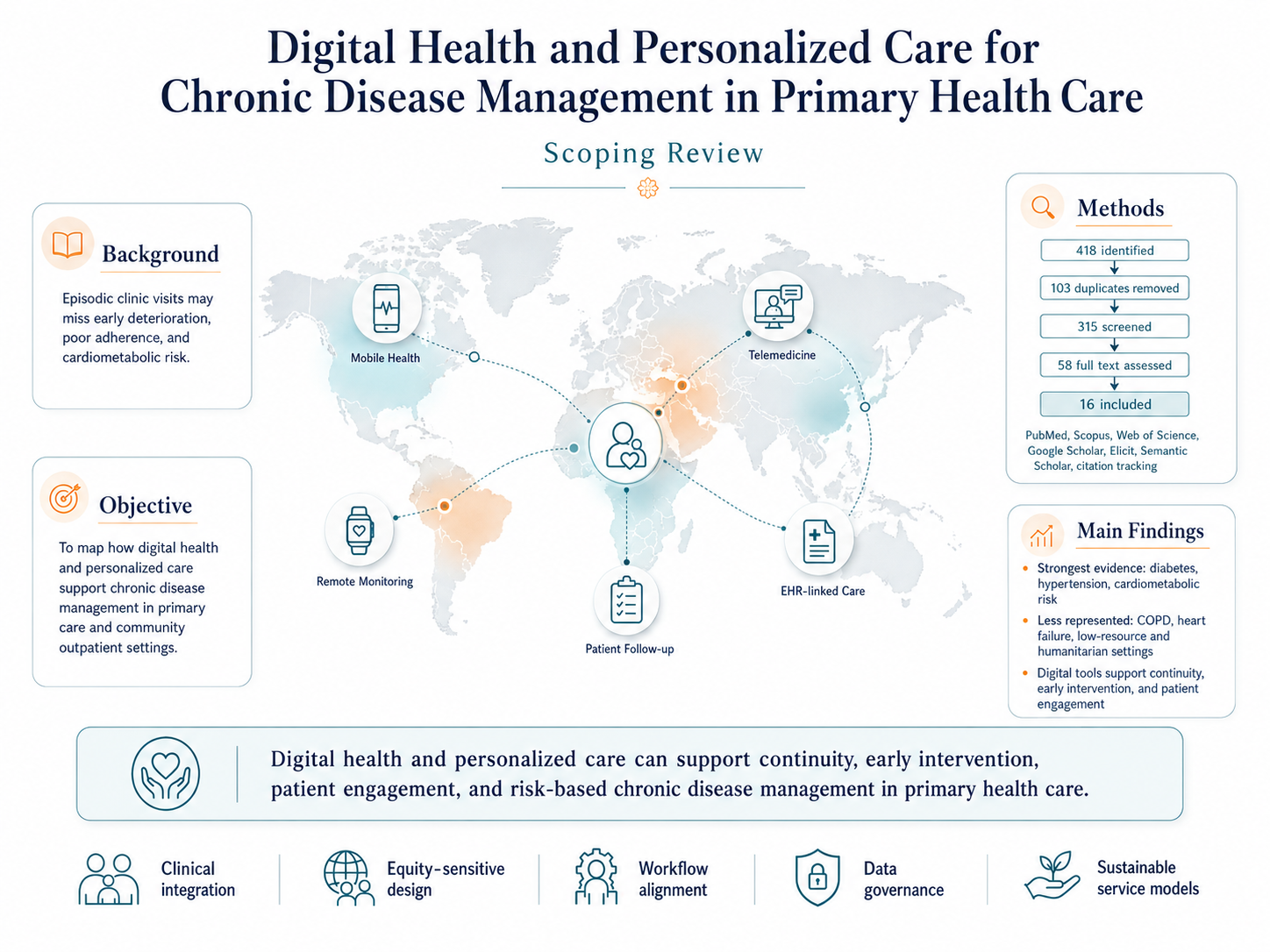
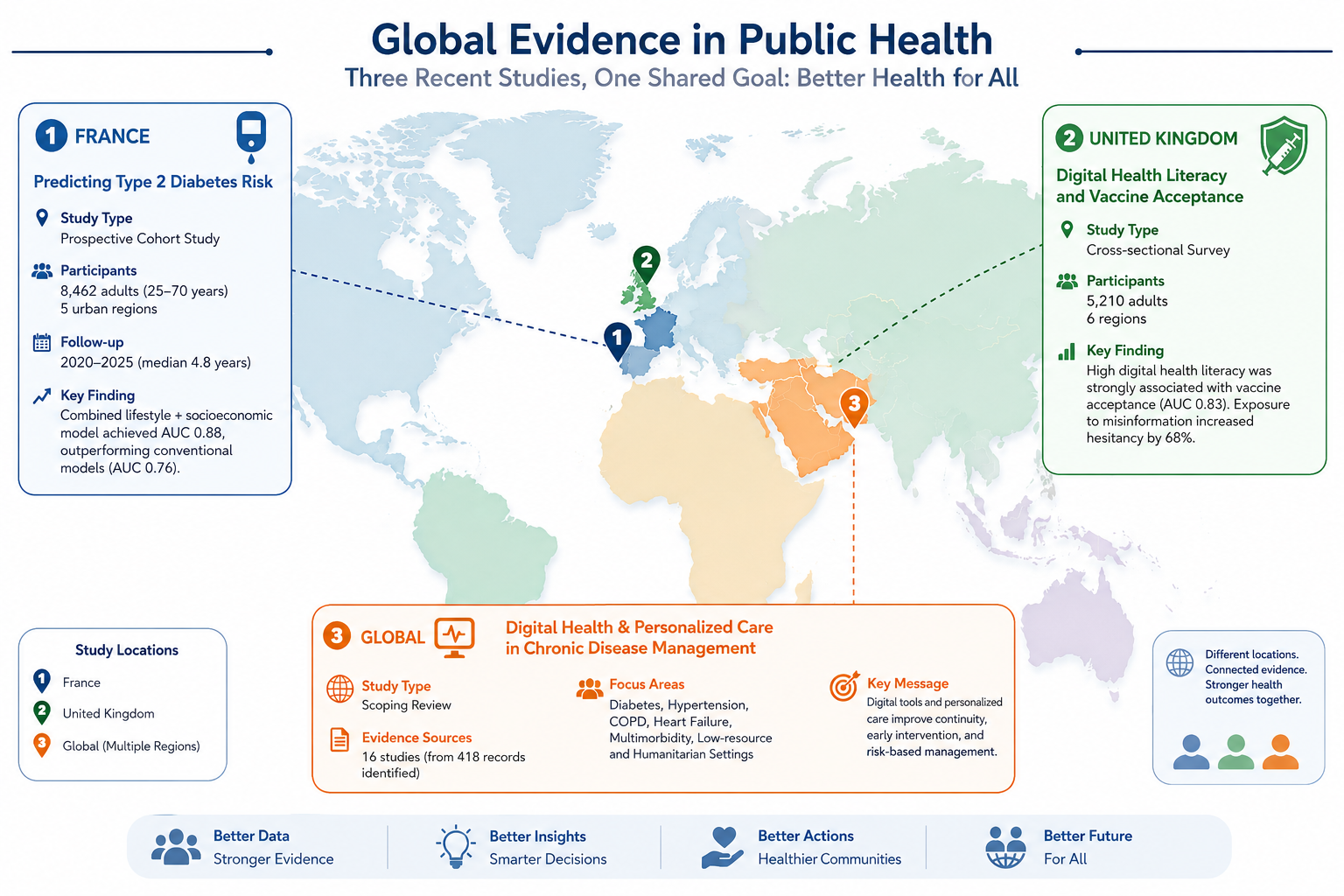
Digital Health and Chronic Disease Care: The article on digital health and personalized care for chronic disease management in primary health care explores how technology, patient-centered care, and individualized risk management may improve long-term outcomes for patients with chronic diseases.

Post-COVID Immunization and Vaccine Confidence: The scoping review on post-COVID immunization challenges examines the continuing effects of pandemic disruption on childhood vaccination, vaccine confidence, measles-rubella protection, and vulnerable populations.

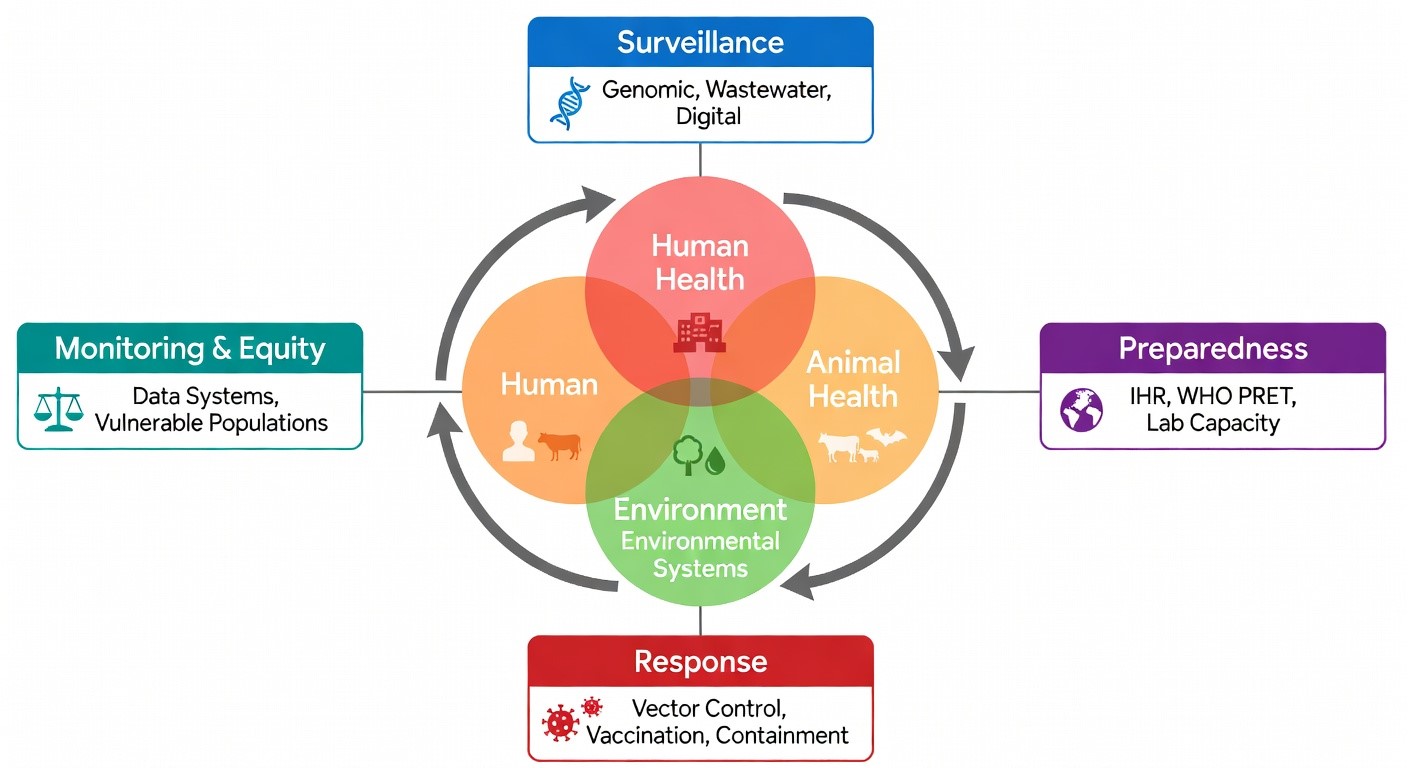
Preparedness for High-Threat Pathogens: The integrated protocol for global preparedness and response to emerging high-threat pathogens provides a multisectoral framework aligned with WHO PRET and One Health principles, emphasizing coordination across human health, animal health, environmental health, and emergency response systems.

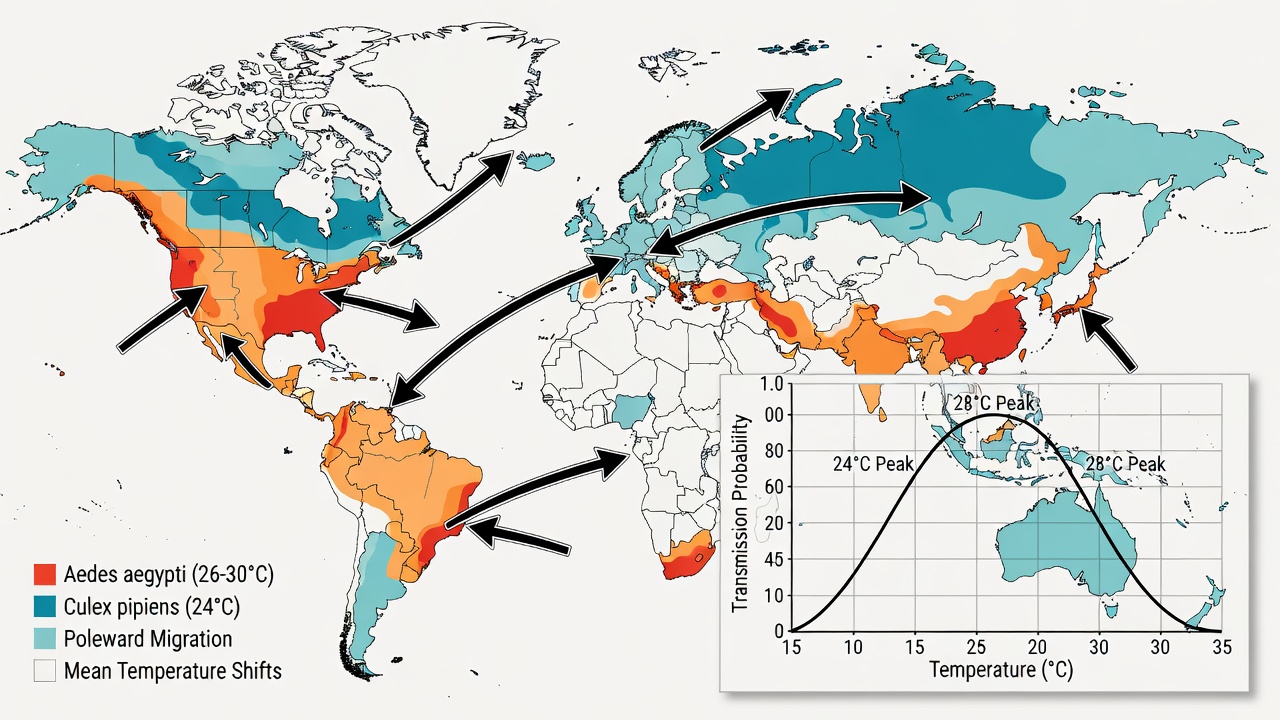
Climate Change and Mosquito-Borne Viral Threats: The synthesis on climate change, mosquito-borne viral threats, and surveillance in 2026 addresses how environmental shifts, vector ecology, and surveillance gaps influence the spread of climate-sensitive infectious diseases.

Diabetes Risk Prediction: The population-based cohort study on type 2 diabetes risk using lifestyle and socioeconomic indicators emphasizes the importance of prevention, early risk identification, and the integration of social determinants into chronic disease prediction.

Why This Issue Matters

Public health challenges in the East Mediterranean Region are increasingly shaped by overlapping crises, including population movement, climate change, emerging infections, vaccine hesitancy, health-system pressure, chronic disease expansion, and unequal access to care. This issue responds to these challenges by presenting research that is practical, evidence-based, and relevant to both regional and global audiences.

The selected papers also show the value of review-based research in clarifying what is already known, identifying gaps, and guiding future research priorities. In settings where resources are limited and health threats are changing quickly, evidence synthesis is essential for supporting better policies, stronger preparedness, and more efficient public health action.

Commitment to Academic Development

This issue also represents a broader commitment to developing research capacity across the region. By engaging thousands of researchers in structured review work, Global Research Collaboration contributes to scientific training, academic writing skills, critical appraisal, teamwork, publication readiness, and international collaboration. The goal is not only to publish manuscripts, but also to build a sustainable research culture that enables researchers to produce reliable, useful, and ethically developed scientific work.

Editorial Message

We are pleased to present this special issue as part of an ongoing effort to strengthen public health research, environmental health scholarship, and evidence-based practice in the East Mediterranean Region. We welcome continued submissions from researchers, institutions, and collaboration teams working on public health, epidemiology, environmental health, infectious diseases, digital health, chronic disease prevention, health policy, and health-system strengthening.

Through collaboration, rigorous evidence review, and open scientific exchange, this issue aims to contribute to a stronger research environment and to support the translation of scientific findings into meaningful public health action.

International Journal of Hygiene and Environmental Health — East Mediterranean Region

```

Published: 2026-06-26

Articles

View All Issues


Causes of Death and Disease Burden in Iran- Across sectional Study 


Abstract

       Healthcare providers and policymakers require reliable, up-to-date data on causes of death (COD) to improve healthcare infrastructure, guide primary prevention, allocate resources, and enhance public health initiatives. In Iran, the leading causes of death and their overall burden remain insufficiently identified. Previous studies in this area have been local, outdated, or lacked comprehensive national representation. This study aims to evaluate the major COD and their burden in Iran.                

Introduction       

Healthcare professionals and policymakers need accurate, up-to-date information on mortality causes to enhance healthcare infrastructure, guide preventive measures, allocate resources, and improve public health initiatives. However, in Iran, comprehensive national data on major mortality causes remain scarce. Given the global shift in mortality patterns, where non-communicable diseases (NCDs) are projected to contribute to 70% of all deaths by 2030 (WHO), reassessing mortality trends in Iran is crucial.           

Methods     

A cross-sectional study was conducted from February to March 2014 on graduate students and their families. Using a two-stage random sampling method, data from 11,315 individuals were collected. Information on age at death, gender, and year of death was obtained. Causes of death were classified into nine categories, including cardiovascular diseases, cancers, motor vehicle accidents, unintentional injuries, intentional injuries, stroke, lower respiratory infections, diabetes, and other causes. The disease burden was assessed using Years of Life Lost (YLL) and person-years of life lost (PYLL) as primary indicators.


Results       

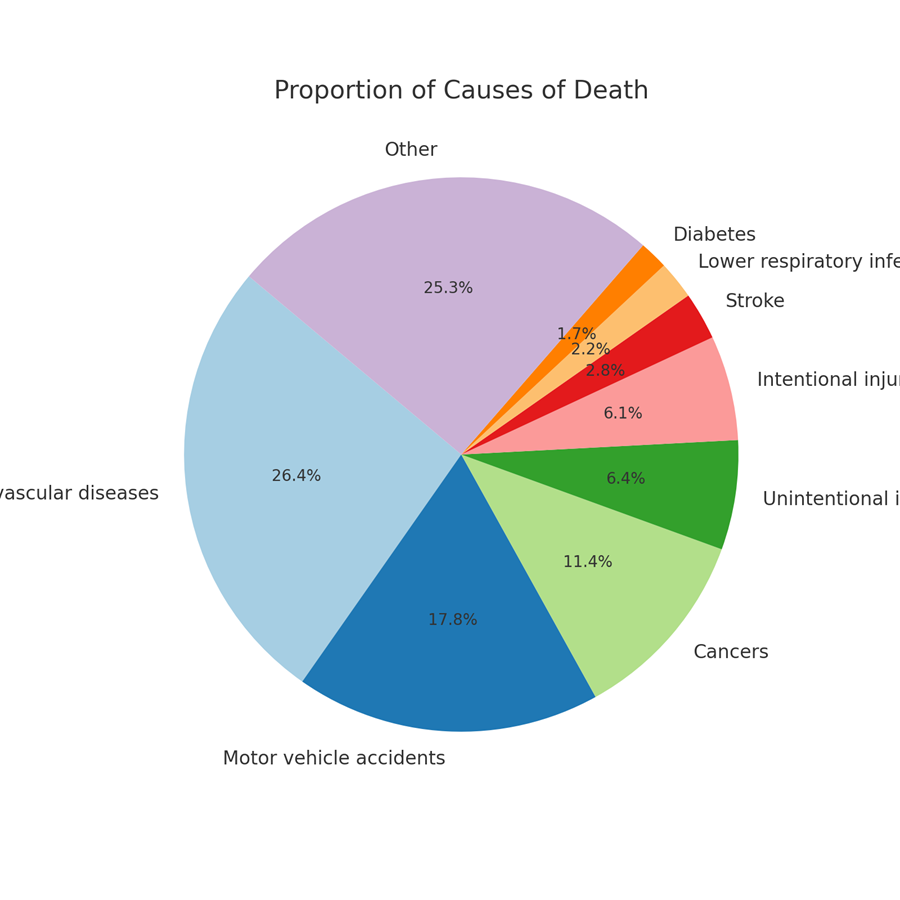
Among 360 reported deaths, 66.9% were male. The leading COD were cardiovascular diseases (26.4%), motor vehicle accidents (17.8%), cancers (11.4%), and injuries (both intentional and unintentional, 12.5%). The average YLL for all COD was 34.4 ± 18.5 years, with motor vehicle accidents and injuries contributing to the highest YLL (p < 0.001). PYLL was highest for motor vehicle accidents (2613.1 years), followed by cardiovascular diseases (2159.4 years) and cancers (1321.0 years).


Conclusion       

The findings highlight cardiovascular diseases, motor vehicle accidents, cancers, and injuries as the major causes of death in Iran. Motor vehicle accidents account for the highest years of life lost, followed by cardiovascular diseases and cancers. These results emphasize the urgent need for targeted public health interventions, road safety improvements, and preventive strategies to reduce premature mortality and improve life expectancy in Iran.

                Keywords: Cause of death, mortality, life expectancy, cardiovascular diseases, traffic accidents, public health policies


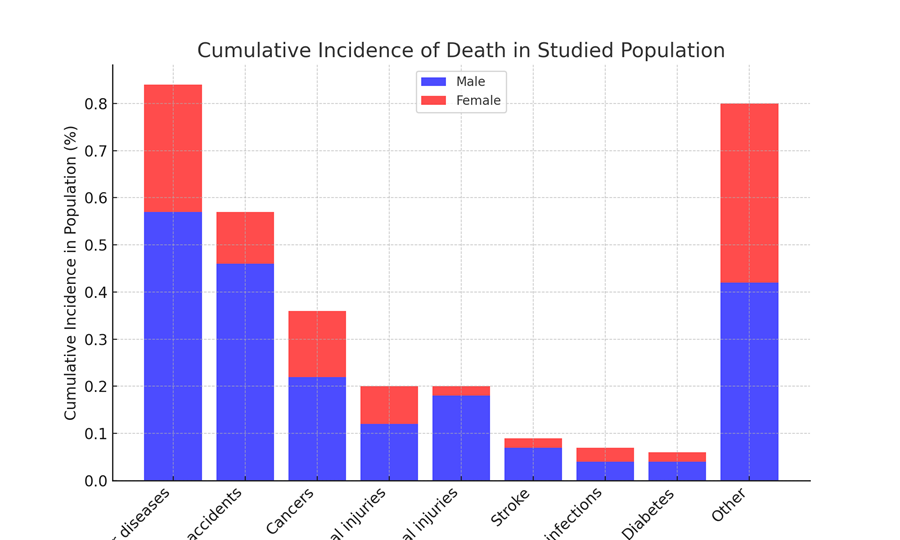
Table 1: Cumulative Incidence of Death in the Studied Population

Cause of Death Frequency in Dead Cases (n=360) Cumulative Incidence in Dead Cases (%) Cumulative Incidence in Samples (n=11315)
Male Female Total Male Female Total Male Female Total
Cardiovascular diseases 65 30 95 18.1 8.3 26.4 0.57 0.27 0.84
Motor vehicle accidents 52 12 64 14.4 3.3 17.7 0.46 0.11 0.57
Cancers 25 16 41 6.9 4.4 11.4 0.22 0.14 0.36
Unintentional injuries 14 9 23 3.9 2.5 6.4 0.12 0.08 0.20
Intentional injuries 20 2 22 5.6 0.6 6.1 0.18 0.02 0.19
Stroke 8 2 10 2.2 0.6 2.8 0.07 0.02 0.09
Lower respiratory infections 5 3 8 1.4 0.8 2.2 0.04 0.03 0.07
Diabetes 4 2 6 1.1 0.6 1.7 0.04 0.02 0.05
Other 48 43 91 13.3 11.9 25.2 0.42 0.38 0.80
Total 241 119 360 66.9 39.8 100 2.13 1.05 3.18