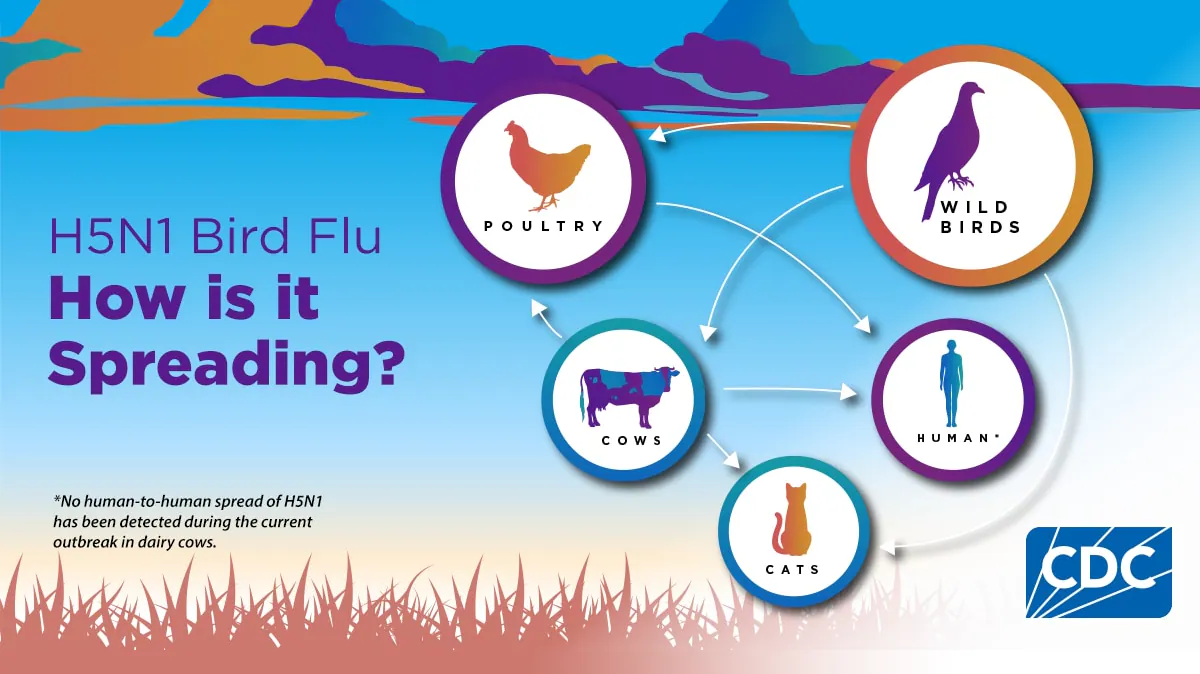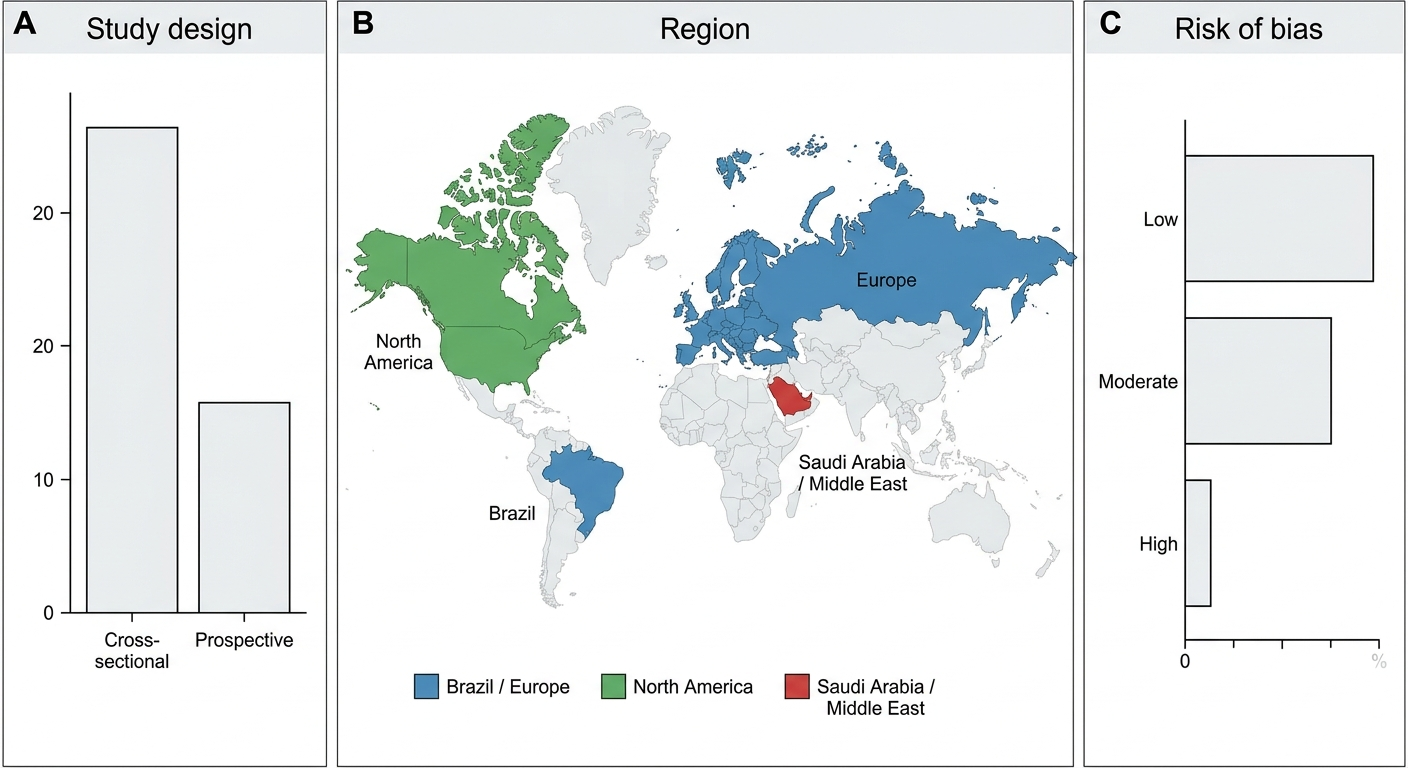

As we welcome 2025, the International Journal of Hygiene and Environmental Health (IHHEH - EMR) invites researchers to submit their latest studies in public health, epidemiology, and related scientific fields. We are particularly interested in research that bridges the gap between fundamental science, clinical practice, and field applications, fostering the exchange of transformative ideas and novel discoveries.
Editorial Standards
IHHEH - EMR upholds rigorous editorial principles to ensure academic integrity and timely publication:
-
Efficient Review System: Manuscripts undergo a thorough single-blind peer-review process, with an acceptance decision typically within 14 days from submission.
-
Selective Acceptance Rate: The journal maintains a competitive acceptance rate of 30%, ensuring the publication of impactful and methodologically sound studies. After revisions, the acceptance rate increases to 40–50%, reflecting our commitment to nurturing high-quality research.
-
Global Impact: By providing open access and widespread indexing, the journal ensures that groundbreaking research reaches a broad audience, maximizing its influence and applicability.
Publisher
IHHEH - EMR is published by Web of Science-EMR, in collaboration with Global Research Collaboration, an organization dedicated to fostering scientific excellence through high-quality, peer-reviewed publications.
We look forward to your contributions and to advancing the frontiers of public health and environmental research together in 2025.
With best regards,
Dr. Emily A. Carter
Editor-in-Chief