SGLT2 Inhibitors Beyond Glucose: Cardioprotective and Neuroprotective Effects in Type 2 Diabetes
Asim Ahmed 1, Abla Almalik 2, Tarig Ali Rajab 3
Keywords:
SGLT2 inhibitors · type 2 diabetes mellitus · cardioprotection · neuroprotection · diabetic neuropathy · cardiovascular outcomes · empagliflozin · dapagliflozin · canagliflozin · pleiotropic effectsAbstract
https://doi.org/10.5281/zenodo.20287854
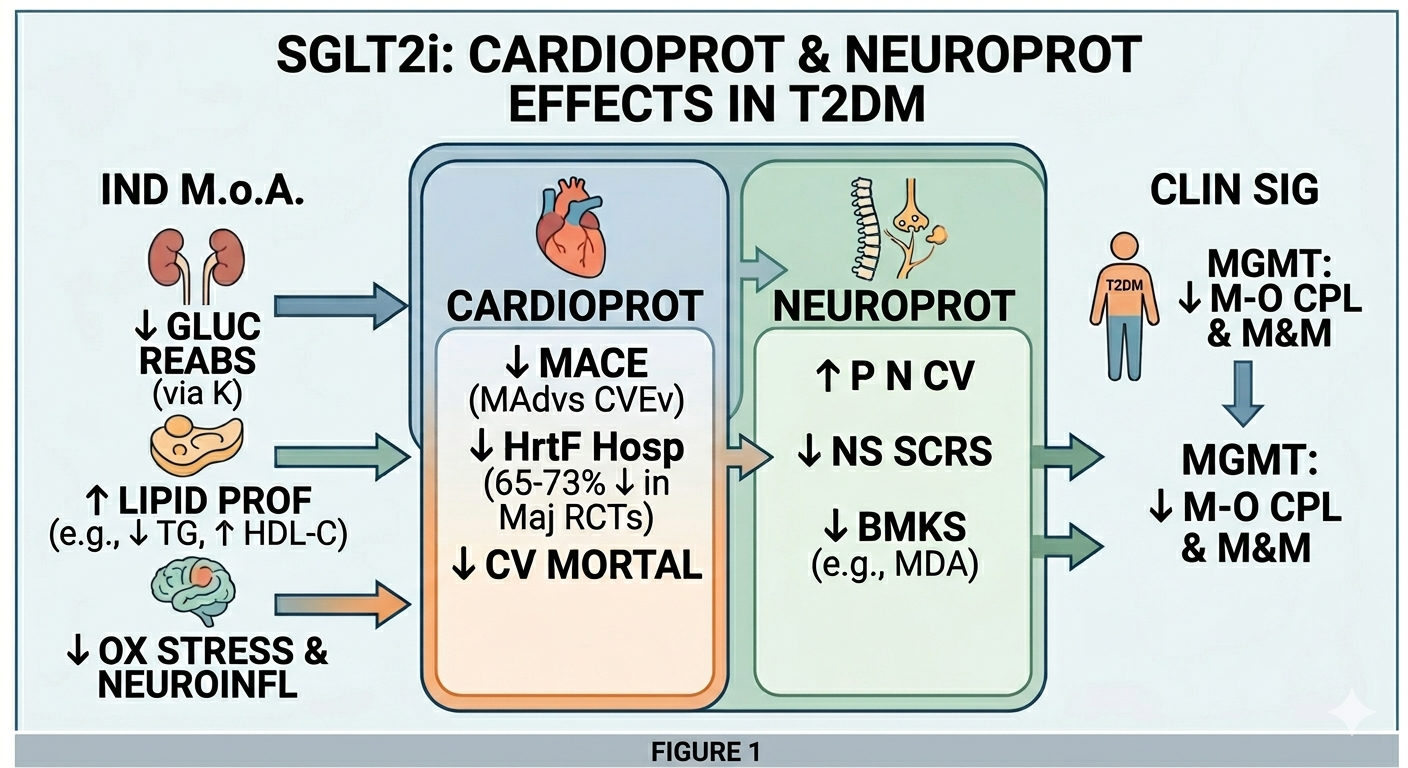
Type 2 diabetes mellitus (T2DM) is associated with a substantial burden of cardiovascular disease and diabetic peripheral neuropathy, which collectively drive the majority of diabetes-related morbidity and mortality. Sodium-glucose cotransporter-2 (SGLT2) inhibitors were originally developed as glucose-lowering agents; however, landmark cardiovascular outcome trials and emerging mechanistic evidence have demonstrated pleiotropic effects that extend well beyond glycaemic control. This systematic review aimed to synthesise evidence on the cardioprotective and neuroprotective effects of SGLT2 inhibitors in adults with T2DM, independent of their glucose-lowering properties. A systematic search of PubMed, Scopus, Web of Science, and CINAHL was conducted for studies published between January 2015 and December 2025. A total of 14 studies met the final inclusion criteria, comprising five major randomised controlled trials (RCTs) and nine supporting clinical and mechanistic studies enrolling a combined population exceeding 55,000 participants. SGLT2 inhibitors consistently reduced major adverse cardiovascular events (MACE), heart failure hospitalisation, and cardiovascular mortality across all three landmark trials — EMPA-REG OUTCOME (empagliflozin), CANVAS (canagliflozin), and DECLARE-TIMI 58 (dapagliflozin) — with hazard ratios for heart failure hospitalisation ranging from 0.65 to 0.73. Neuroprotective effects were documented through improvements in peripheral nerve conduction velocity, reduction in neuropathic symptom scores, and attenuation of oxidative stress biomarkers including malondialdehyde and neuroinflammatory cytokines. Favourable lipid modifications — particularly triglyceride reduction and HDL-C improvement further supported the mechanistic basis of dual cardioprotection and neuroprotection. SGLT2 inhibitors represent a disease-modifying therapeutic class capable of simultaneously attenuating cardiovascular and neuropathic complications in T2DM through mechanisms that operate independently of glycaemic control. Integration of these agents into comprehensive T2DM management protocols targeting multiorgan complication prevention is supported by the available evidence.
Downloads